
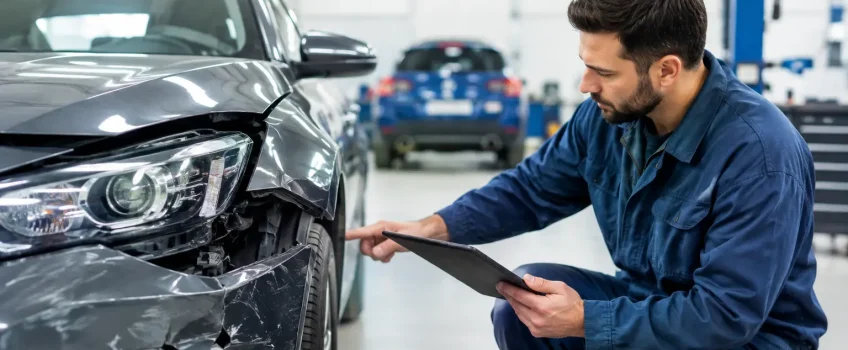
Accident Repair Process: What Happens Next?
A crash can leave you looking at a dented door, cracked bumper or warning light and wondering whether the damage is only cosmetic. The accident repair process is designed to answer that question properly, then return your vehicle to safe, reliable condition. It is not simply a matter of straightening a panel and applying paint. Modern vehicles are built with carefully engineered structures, sensors and safety systems that all need considered attention.
For drivers around Epping, the priority is usually getting back on the road without unnecessary stress. Knowing what happens at each stage can make the repair feel far more manageable and help you ask the right questions.
Start with safety and clear information
Immediately after an accident, check that everyone is safe and move away from traffic if it is safe to do so. Exchange details with the other driver, take photos of the vehicles, number plates, road conditions and visible damage, and report the incident where required. If your car has warning lights, fluid leaks, loose panels, tyre damage or steering that feels different, it may not be safe to drive.
Even a low-speed impact can affect more than the visible area. A knock to the front bumper, for example, can damage mounts, cooling components, lights, parking sensors or radar equipment behind it. A rear impact may affect the boot floor, exhaust, reversing camera or parking sensors. If there is any doubt, arrange for the vehicle to be assessed rather than relying on how it looks from the outside.
It also helps to notify your insurer early. They can explain your policy excess, whether you have a choice of repairer and the information needed to open a claim. Keep your claim number handy, as it can make communication between you, the insurer and repairer more straightforward.
The accident repair process, step by step
Initial inspection and damage estimate
The repair begins with a detailed inspection. A technician records visible damage, checks panel gaps and examines areas around the impact. They may also look for mechanical concerns, such as damaged suspension components, wheel alignment issues, coolant leaks or fault codes.
At this stage, an estimate is prepared for parts, labour, paint materials and any specialist work. It is a starting point, not always the final word. Some damage is hidden behind bumpers, trims, guards or panels and cannot be accurately confirmed until the vehicle is partially dismantled.
This is why a sensible repairer will explain that the original estimate can change. It does not automatically mean something has gone wrong. It often means the workshop has found damage that could not be safely seen earlier and is seeking approval to repair it correctly.
Insurer assessment and authorisation
For an insurance repair, the insurer reviews the estimate and may arrange an assessment. Depending on the policy and the extent of damage, they may approve repairs, request further information or decide whether the vehicle is economically repairable.
A repairer should not cut corners to fit an initial figure. If additional damage is found, a supplementary estimate is submitted with evidence for approval. This can add time, but it protects you from having a vehicle returned with unresolved issues beneath freshly repaired panels.
If you are paying privately, the process is similar except you approve the work directly. Ask what the quote includes, whether replacement parts are new, genuine, aftermarket or recycled where appropriate, and whether the repair timeframe depends on parts availability. The right option depends on the vehicle, its age, safety requirements, insurance arrangements and your budget.
Disassembly reveals the full picture
Once authorised, affected trims, bumpers, lights and damaged panels may be removed. This allows the workshop to inspect structural mounting points, wiring, brackets and components hidden from view. It is often the most revealing part of the job.
A bumper can appear to have only superficial scrapes but conceal broken absorbers or damaged sensor brackets. A wheel that still turns may be connected to bent suspension parts. Repairing only what is visible can create problems with handling, tyre wear or safety later on.
The workshop documents any newly discovered damage and obtains the necessary approval before continuing. Clear updates matter here, particularly if extra parts need to be ordered or the expected completion date changes.
Structural, body and mechanical repairs
The repair method depends on where and how the vehicle was hit. Minor dents may be repaired with panel work, while more serious damage may require replacement panels, carefully measured structural repairs or chassis alignment. The aim is to restore the vehicle to the manufacturer’s intended dimensions and operation, not simply make the surface look presentable.
Where accident damage has affected the mechanical side of the car, these repairs are addressed too. This may involve steering, suspension, wheels, tyres, brakes, cooling systems, lights or electrical connections. Correct wheel alignment is particularly important after an impact involving a kerb, wheel or suspension area. A car that pulls to one side or wears tyres unevenly is not something to ignore.
At Epping Auto Service, having mechanical and smash repair capability in one local workshop can make this stage more convenient. Rather than treating body damage and mechanical concerns as separate problems, the vehicle can be checked as a whole.
Paint preparation and refinishing
Paintwork is much more involved than choosing a colour code and spraying a panel. The repaired area is prepared, primed and finished in controlled conditions. Colour matching may involve blending paint into adjoining panels so the repaired section sits naturally alongside the rest of the vehicle.
Age, sun exposure and the original paint condition can all affect the final match. Metallic, pearl and specialised finishes need particular care. A quality paint repair is about colour, gloss and durability, but also about protecting the panel underneath from corrosion.
Newly painted areas may need time to cure. Your repairer can advise when it is appropriate to wash the vehicle, apply polish or use an automatic car wash. Following that advice helps protect the finish while it settles.
Safety-system checks and final quality control
Many newer vehicles use advanced driver-assistance systems, including parking sensors, reversing cameras, radar, lane support or emergency braking technology. If components near these systems have been moved, replaced or disturbed, calibration may be required.
This is a key reason accident repairs should not be judged on appearance alone. A bumper can look perfect while a sensor is misaligned, or a warning light may point to a fault that needs diagnosis. The repair process should include testing relevant electrical systems, lights, locks, windows and safety equipment, along with a road test where appropriate.
Final quality control also checks panel fit, paint finish, operation of repaired components and the vehicle’s general presentation. If any part of the repair concerns you at collection, raise it then. A professional workshop would rather explain the work clearly and address a genuine concern than leave you uncertain.
What can affect repair time?
A small repair may be completed quickly, while a more involved job can take longer than expected. Parts availability is often the largest variable, especially for late-model vehicles, imported models or parts affected by supply delays. Insurance approvals, hidden damage, specialist calibration and paint curing times can also affect the schedule.
It is reasonable to ask for an expected timeframe, but it is equally reasonable for the workshop to avoid promising a collection date before the full damage is known. Fast turnaround matters, especially when your car is needed for work, school runs and family commitments. Safe, complete work matters more.
Regular updates are helpful when a vehicle is off the road. If your circumstances change, such as needing to arrange alternative transport or collect the car at a particular time, let the repairer know early.
Collecting your vehicle with confidence
When collecting your car, take a moment to inspect the repaired area in good light. Check that panels sit evenly, doors and the boot open and close properly, lights work, and there are no new warning lights on the dash. Ask about any work completed, replacement parts fitted and aftercare recommendations.
You should also keep repair paperwork with your vehicle records. It can be useful for warranty purposes, future servicing, insurance discussions and resale. If the impact involved tyres, suspension or steering, ask whether an alignment was completed and whether there is anything to monitor over the next few weeks.
A quality accident repair is not just about making the damage disappear. It is about restoring the confidence that your car will protect your family, handle predictably and get you where you need to go. Taking the time to choose a repairer who communicates clearly and checks the whole vehicle is one of the best decisions you can make after a collision.