
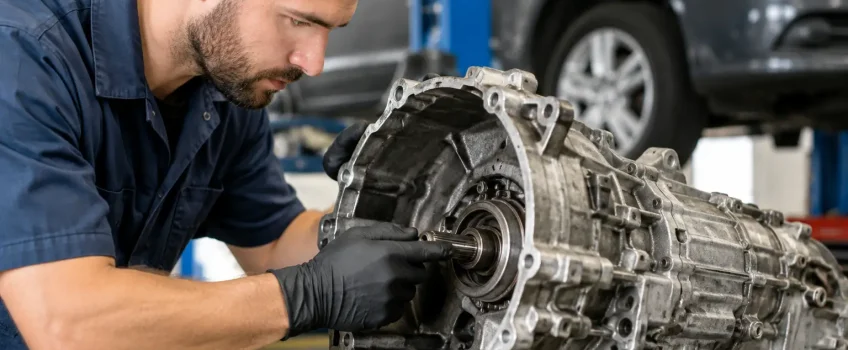
Gearbox Repairs Epping NSW Warning Signs
A gearbox problem rarely begins with a complete breakdown. More often, it starts with a slight delay when selecting Drive, a new whine on the way to work, or a gear change that does not feel quite right. For drivers looking for gearbox repairs Epping NSW, recognising those early changes can help avoid being stranded and may limit the scope and cost of the repair.
Your gearbox transfers engine power to the wheels at the right speed for the conditions. Whether your vehicle has a manual, conventional automatic, CVT or dual-clutch transmission, it is a complex system that relies on correct fluid levels, sound mechanical components and accurate electronic control. When one part is not performing properly, the vehicle needs a proper diagnosis rather than guesswork.
Signs You May Need Gearbox Repairs in Epping NSW
A transmission fault can feel different from one vehicle to the next, but several warning signs should not be ignored. If your car suddenly will not select a gear, loses drive or displays a transmission warning light, it is best not to keep driving it. Arrange for professional advice as soon as possible.
Other symptoms may be less urgent, but they still deserve attention:
- Delayed engagement when moving from Park to Drive or Reverse
- Harsh, jerky or slipping gear changes while accelerating
- Whining, humming, grinding or clunking noises that change with vehicle speed
- A burning smell, fluid leak beneath the vehicle, or transmission warning light
A manual vehicle may also develop a difficult or crunchy gear selection, a clutch pedal that feels unusual, or an engine that revs without matching acceleration. These symptoms can be caused by the gearbox itself, but they can also relate to the clutch, hydraulic system, drivetrain or engine management. That is why diagnosis matters.
Why a Small Gear Change Problem Can Become a Larger Repair
Transmission components work under heat and pressure. Automatic transmission fluid does more than lubricate moving parts – it also assists with cooling and hydraulic operation. If fluid is old, low, contaminated or leaking, the gearbox may not have the protection it needs. Continued driving can increase wear on internal clutches, bearings, valves and other components.
The same principle applies to manual gearboxes. Low or degraded oil can contribute to bearing and gear wear, while a clutch fault can place extra strain on the drivetrain or make the vehicle difficult to operate safely. A minor seal leak or worn component is not always a major repair at first, but leaving it unattended can change that.
There is a practical balance to consider. Not every unusual shift means a gearbox rebuild is needed, and replacing major parts before finding the cause can be an expensive mistake. On the other hand, waiting until the vehicle cannot move may reduce repair options. A timely inspection gives you clearer information and the chance to make a sensible decision.
What Happens During a Gearbox Diagnosis?
A reliable gearbox repair begins by understanding the fault, the vehicle’s history and the conditions in which the problem occurs. Is the issue present when the car is cold, after a longer drive, under load, or only when selecting a particular gear? Those details help narrow down the cause.
A technician may inspect the gearbox and surrounding drivetrain for leaks or damage, check fluid condition and level where applicable, road test the vehicle, and scan for fault codes. Modern automatic transmissions are closely linked to electronic sensors, solenoids and control modules. A warning light may point to an electrical issue, a sensor reading or a mechanical concern, but fault codes are only one part of the diagnosis.
The workshop may also assess related systems. Engine misfires, worn engine mounts, CV joints, differential faults and clutch problems can all create symptoms that feel like a gearbox issue. Taking the time to separate these faults helps prevent unnecessary work and gives you a more accurate repair recommendation.
Repair, Service or Replacement: What Is the Right Option?
The right approach depends on the vehicle, the transmission type, the cause of the problem and the extent of damage. In some cases, a transmission service using the manufacturer-specified fluid and procedure can improve operation and protect the gearbox from further wear. This is most useful as preventative maintenance or when the fault is linked to fluid condition, rather than a substitute for repairing worn internal parts.
Some repairs are external and relatively contained, such as fixing a leak, replacing a sensor, repairing wiring or addressing a selector issue. Manual vehicles may need clutch or hydraulic repairs rather than gearbox work. Automatic transmissions may require valve body, solenoid or electronic repairs where testing confirms those components are at fault.
For internal damage, the options may include rebuilding the gearbox, fitting a replacement unit or, in some situations, considering whether the repair is economical for the vehicle. There is no single answer that suits every car. Vehicle age, kilometres travelled, overall condition, availability of parts and how long you plan to keep the vehicle all matter.
At Epping Auto Service, the priority is to explain the findings in plain English before work proceeds. You should understand what has been found, what repair is recommended, and why it is the most suitable option for your vehicle and budget.
Looking After Your Gearbox Between Services
Regular servicing is one of the best ways to support transmission life, particularly for vehicles used in Sydney stop-start traffic. Follow the manufacturer’s servicing schedule and make sure the correct fluid is used. Transmission fluids are not interchangeable, and the wrong product can affect performance and cause damage.
Pay attention to changes in the way your vehicle drives. A new hesitation, vibration, noise or leak is worth checking early, even if the car still feels mostly normal. Avoid heavy towing or carrying loads beyond the vehicle’s rating, and ensure cooling system issues are repaired promptly. Excess heat is hard on automatic transmissions, especially in busy traffic or during warmer weather.
For manual vehicles, do not rest your hand on the gear lever or your foot on the clutch pedal while driving. These habits can place unnecessary pressure on components over time. Smooth driving and regular maintenance are simple measures, but they make a difference.
When Should You Stop Driving?
If the vehicle will not engage a gear, loses power while moving, produces loud grinding noises or has a strong burning smell, stop in a safe location and avoid trying to drive further. Continuing to force the vehicle can create more damage and may compromise safety.
If the concern is a mild shudder, occasional delayed shift or warning light with no major loss of drive, arrange an inspection as soon as practical. Do not assume the issue will clear on its own. Even when a warning light disappears, the stored fault information can assist with diagnosis.
A dependable car should feel predictable when you select a gear and pull into traffic. If yours does not, getting it checked early gives you a safer drive, clearer answers and a better chance of keeping a smaller problem from becoming a major interruption to your week.