
Wheel Alignment Epping for Safer Driving
A small knock into a kerb, a deep pothole on the school run or months of everyday Sydney roads can gradually put your steering and tyres out of line. Wheel alignment Epping drivers book at the right time can protect more than tyre life – it can make the car feel steadier, easier to control and safer for the people travelling in it.
Misalignment is not always dramatic. Your vehicle may still start, stop and get you to work, but it can quietly wear through expensive tyres and place extra strain on suspension and steering components. A professional check gives you clear answers before a minor issue becomes an avoidable repair.
What wheel alignment actually means
Wheel alignment is the adjustment of your vehicle’s wheel angles so they meet the manufacturer’s specifications. These settings affect how the tyres sit on the road, how the vehicle tracks in a straight line and how it responds when you turn.
The three main angles a technician assesses are camber, caster and toe. Camber is the inward or outward lean of the wheel when viewed from the front. Caster affects steering stability and self-centring. Toe describes whether the tyres point slightly inwards or outwards when viewed from above. You do not need to memorise these terms, but they explain why a vehicle can feel different even when the tyres appear properly inflated.
Correct alignment is not about making every wheel perfectly vertical or perfectly straight by eye. Each vehicle has its own factory specifications. The job is to measure the angles accurately, identify what is outside specification and make the appropriate adjustments where the vehicle allows.
Signs you may need wheel alignment in Epping
A vehicle that pulls consistently to one side on a level, safe road is a common warning sign. You may find yourself making small steering corrections just to keep the car tracking straight, or the steering wheel may sit off-centre while you drive ahead.
Uneven tyre wear is another important clue. If the inside or outside edge of a tyre is wearing much faster than the centre, alignment may be involved. Tyre pressure, worn suspension parts and driving conditions can also affect wear, so it is worth having the whole issue assessed rather than assuming new tyres alone will fix it.
Pay attention after a sharp impact. Hitting a pothole, clipping a kerb while parking or travelling over rough road surfaces can alter alignment settings. A noticeable change in handling, vibration through the steering wheel or a vehicle that feels unsettled in corners should be checked promptly.
Other signs include squealing tyres during normal turns, a wandering feeling at speed and steering that does not return naturally after a corner. These symptoms do not automatically mean alignment is the cause. They can also point to tyre, brake, steering or suspension concerns, which is why a proper inspection matters.
Don’t confuse alignment with wheel balancing
Wheel balancing and wheel alignment work together, but they solve different problems. Balancing corrects uneven weight distribution around a wheel and tyre assembly. It is often relevant when you feel vibration through the steering wheel or seat at certain speeds.
Alignment concerns the direction and angle of the wheels relative to the vehicle and road. A tyre can be balanced but aligned incorrectly, or aligned correctly but out of balance. If you have new tyres fitted, a workshop may recommend one or both services depending on their condition and the symptoms you have noticed.
Why correct alignment matters to your tyres and safety
Tyres are your car’s only contact with the road. When the wheels are out of alignment, the tyre tread may scrub against the road instead of rolling evenly. This can shorten tyre life significantly, particularly when the misalignment is severe or left untreated for a long time.
Replacing tyres early is frustrating and costly, but the safety impact is just as important. Unevenly worn tyres may have less effective grip in wet weather and can make braking and cornering less predictable. For families, commuters and fleet drivers who depend on a vehicle every day, that is a risk not worth ignoring.
Alignment also supports a more comfortable drive. A vehicle that tracks straight reduces the need for constant correction, which is particularly welcome on longer trips or regular motorway driving. It may also help reduce unnecessary load on steering and suspension components, although alignment cannot repair parts that are already worn or damaged.
Fuel economy is sometimes mentioned in discussions about alignment. Poor alignment can increase rolling resistance, but the actual effect varies with the vehicle, tyre condition, driving style and the degree of misalignment. The most reliable reasons to act are tyre protection, predictable handling and road safety.
What happens during a professional wheel alignment
A thorough wheel alignment begins with more than attaching measuring equipment. The technician should inspect the tyres for damage and uneven wear, check pressures and look over relevant steering and suspension components. There is little value in adjusting alignment if a worn ball joint, bent component or loose steering part will allow the settings to move again.
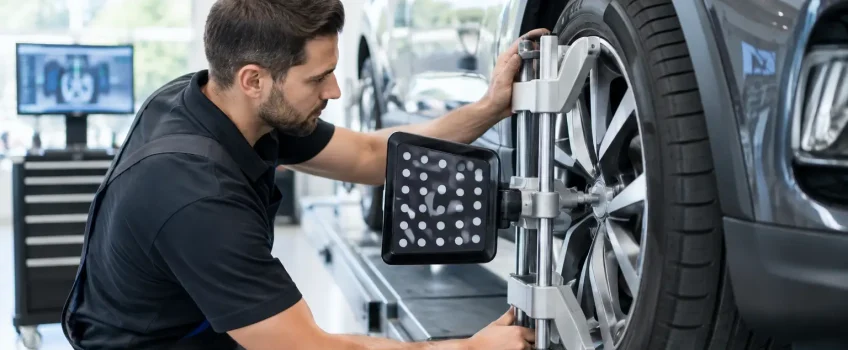
Once the vehicle is assessed, specialised equipment measures the current wheel angles against the manufacturer’s specifications. The technician then adjusts the available settings and rechecks the readings. Some vehicles have limited adjustment points, especially at the rear, so the best course of action can depend on the vehicle’s design and condition.
If an underlying fault is found, you should receive a practical explanation of what needs attention and why. For example, a damaged suspension component may need repair before alignment can be completed properly. This approach avoids spending money on a short-term adjustment that will not hold.
At Epping Auto Service, the aim is to give local drivers straightforward advice, quality workmanship and a clear picture of the condition of their vehicle. Whether the concern is tyre wear, pulling under braking or steering that no longer feels right, a workshop inspection can identify the cause rather than simply treating the symptom.
When should you book a wheel alignment?
There is no single kilometre interval that suits every car. A vehicle used mainly on smooth roads may go longer between checks than a ute, family SUV or work vehicle frequently travelling over rough surfaces, carrying loads or dealing with busy suburban roads.
It is sensible to arrange an alignment check after fitting new tyres, replacing steering or suspension components, or experiencing a significant pothole or kerb impact. It is also worth including in your maintenance planning if you notice uneven tyre wear or a change in how the vehicle drives.
For many drivers, checking alignment during regular servicing or tyre maintenance is a practical habit. This does not mean it needs adjustment every visit. It means potential problems can be picked up early, when the tyres and related components have the best chance of being protected.
A quick check you can do at home
Before booking, look at your front tyres with the steering straight. Compare the inner and outer edges of the tread where possible. One edge looking noticeably smoother than the other is worth raising with your mechanic.
You can also notice whether the steering wheel sits straight on a flat road and whether the vehicle pulls consistently. Do not test this by taking your hands off the wheel, and do not rely on a single stretch of road with a pronounced camber. Road slope, wind and tyre pressures can affect what you feel.
Check tyre pressures regularly as well. Underinflation and overinflation cause their own wear patterns and handling issues. Keeping tyres at the vehicle manufacturer’s recommended pressures helps make an alignment assessment more accurate.
Get the most from your tyres
Wheel alignment is a relatively straightforward maintenance service, but its benefits reach into daily comfort, tyre costs and confidence behind the wheel. It is especially worthwhile when your car is carrying children, covering frequent commuter kilometres or supporting a business fleet that needs to stay reliable.
If your steering feels different, your tyres are wearing unevenly or your vehicle has taken a hard knock, trust that change in behaviour and have it checked. A timely inspection can help keep every trip around Epping and beyond feeling calm, controlled and safe.