
Why Your Car Won’t Start and What to Check First
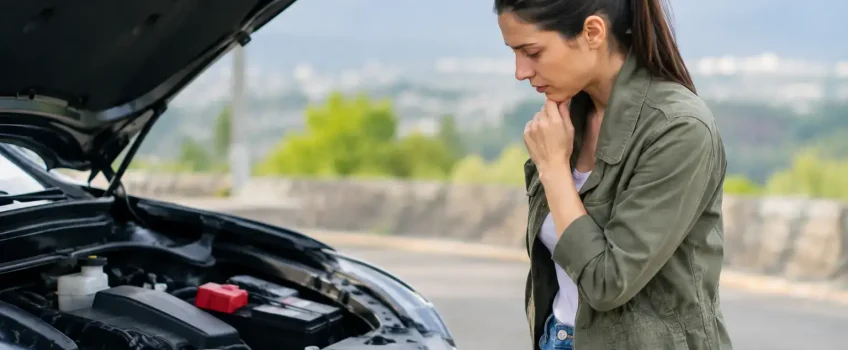
A car that will not start always seems to happen at the worst possible time – in the driveway before work, outside school pickup, or after a quick stop at the shops. If you are asking why car won’t start, the sound it makes when you turn the key or press the start button is often the first useful clue. A single click, slow cranking, normal cranking with no ignition, or complete silence can each point to a different fault.
The good news is that many no-start problems can be identified quickly. The key is not to keep trying repeatedly, as this can flatten the battery further, flood some older engines or put extra strain on the starter motor.
First, notice what happens when you try to start it
Before checking anything under the bonnet, take a moment to observe the dashboard and listen carefully. If the engine turns over slowly, or the dash lights dim heavily, the battery is the likely place to start. If you hear one solid click but the engine does not turn, the starter motor or its wiring may be at fault.
If the engine cranks at its usual speed but does not fire, there may be an issue with fuel delivery, ignition, engine timing or the vehicle’s immobiliser system. If nothing happens at all, check that the car is in Park or Neutral for an automatic, or fully in gear-neutral with the clutch depressed for a manual. A faulty neutral safety switch or clutch switch can prevent a vehicle from starting even when the rest of the system is healthy.
Why your car won’t start: the most common causes
A flat or failing battery
A weak battery is one of the most common reasons for a no-start. You may notice slow cranking, clicking noises, dim headlights, warning lights flickering, or electrical accessories that no longer work properly. Cold mornings, short trips and leaving interior lights on can all expose a battery that is near the end of its life.
Battery terminals can also cause trouble. Corrosion or a loose connection can stop enough current reaching the starter, even when the battery itself still has charge. Do not touch damaged cables or attempt repairs if there is swelling, leaking fluid or a strong sulphur smell around the battery.
A jump-start may get you moving, but it is not a diagnosis. If the car starts with a jump and then struggles again soon after, the battery may not be holding charge. Alternatively, the alternator may not be recharging it while you drive.
An alternator charging fault
The alternator supplies electrical power when the engine is running and recharges the battery. A faulty alternator can look like a battery problem because the car may start after a recharge or jump-start, then go flat again within a day or two.
An illuminated battery warning light while driving, dimming headlights, unusual electrical behaviour or a burning smell can indicate a charging-system issue. Continuing to drive after the battery light comes on can leave you stranded once the stored battery power runs out. A workshop test can check the battery, alternator output and related wiring together, rather than replacing parts based on guesswork.
A worn starter motor or starter circuit
The starter motor is responsible for turning the engine over. When it begins to fail, you may hear a click when starting but no engine movement. In some cases, the car might start intermittently for a while, particularly after several attempts, before failing completely.
Starter faults can also involve the solenoid, ignition switch, wiring or relay rather than the motor itself. That is why a proper electrical test matters. Replacing a starter motor without confirming the fault can create unnecessary expense and still leave the real issue unresolved.
Fuel delivery problems
An engine needs the correct amount of fuel at the correct pressure. A faulty fuel pump, blocked fuel filter, failed fuel-pump relay or empty fuel tank can leave the engine cranking without starting. Although it sounds obvious, check the fuel gauge first, especially if the vehicle is parked on a slope or the gauge has been unreliable.
Some cars make a brief humming sound from the rear when switched to ignition. This can be the fuel pump priming. No sound does not automatically mean the pump has failed, but it gives a technician another useful clue. Fuel-system work should be left to trained mechanics because petrol is highly flammable and modern fuel systems operate under pressure.
Ignition, sensor or engine management faults
Modern vehicles rely on sensors and electronic control systems to start and run correctly. A failed crankshaft sensor, camshaft sensor, ignition coil or spark plug issue may allow the engine to crank but prevent it from firing.
The check engine light may have appeared before the no-start, but not always. Diagnostic scanning can identify stored fault codes, though a code is only the starting point. Experienced technicians combine scan results with electrical testing and mechanical checks to find the cause, rather than treating the code as an automatic parts list.
An immobiliser or key issue
If a security light flashes on the dash, the vehicle may not be recognising the key or key fob. Many cars have a transponder chip inside the key, and a flat key-fob battery, damaged key or immobiliser fault can stop the engine from starting.
Try your spare key if you have one. For push-button vehicles, hold the key fob close to the start button or follow the emergency-start procedure in the owner’s manual. Avoid forcing a key in the ignition or repeatedly locking and unlocking the car in the hope that the problem will clear.
Timing belt, timing chain or mechanical damage
A timing belt or timing-chain failure is less common but more serious. The engine may crank unusually fast, sound different from normal, or stop suddenly while driving and refuse to restart. On some engines, a broken timing belt can cause internal engine damage.
If you suspect a timing issue, do not keep cranking the engine. Arrange an inspection and let the workshop assess it safely. Keeping up with scheduled timing belt replacement is one of the most effective ways to reduce this risk.
Safe checks you can make at home
A few simple checks can help you explain the fault clearly when booking your car in. Check whether the dashboard lights come on, whether headlights are bright, whether the car cranks, and whether there are any warning lights or unusual sounds. Confirm the vehicle is in Park or Neutral, the handbrake is on, and the steering wheel is not locked hard against the steering lock.
If you have jumper leads and know how to use them safely, a jump-start can help confirm a battery-related issue. Follow the vehicle manufacturer’s instructions and never connect leads to a damaged, leaking or swollen battery. Once the vehicle starts, do not assume a longer drive has fixed it. It still needs the battery and charging system checked if the problem returns.
Avoid spraying starting fluid into modern engines, bypassing fuses, or repeatedly trying to start a vehicle that smells strongly of fuel or burning electrical insulation. These situations need professional attention.
When to call a mechanic instead of trying again
It is time to arrange assistance if the car will not crank after basic checks, keeps going flat, has a battery warning light, makes grinding noises, smells of fuel or burning, or stopped while you were driving. The same applies if the vehicle is needed for family travel, commuting or fleet work and reliability matters the next morning.
At Epping Auto Service, a no-start inspection can include battery and alternator testing, starter-motor checks, fault-code scanning and a practical assessment of the fuel, ignition and electrical systems. This approach helps identify the actual cause and gives you clear advice on the repair before work goes ahead.
A car that will not start is frustrating, but the symptoms usually tell a useful story. Make a note of what you hear and see, avoid repeated start attempts, and have the fault checked early so a small electrical issue does not become the reason your day comes to a stop.