
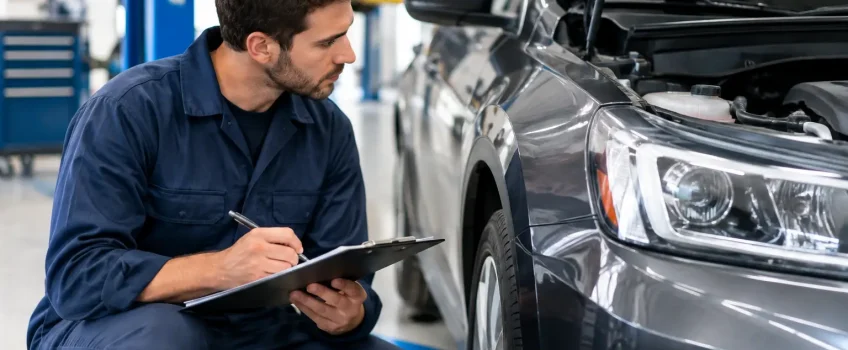
NSW Blue Slips: What Your Vehicle Needs to Pass
A registration problem can stop a busy week in its tracks. If your vehicle has been unregistered, brought in from interstate or needs its identity checked, you may need one of the NSW blue slips before you can register it. A blue slip inspection is more detailed than a standard pink slip, and it helps confirm that a vehicle is safe, properly identified and suitable for registration on NSW roads.
For Epping drivers, the simplest approach is to arrange the inspection early and deal with any concerns before your registration deadline becomes urgent. A little preparation can save repeat visits, avoid unexpected delays and give you confidence that the car carrying your family, tools or work gear is in good order.
What is a blue slip in NSW?
A blue slip is an Authorised Unregistered Vehicle Inspection Scheme inspection, often called an AUVIS inspection. It is completed by an authorised NSW inspection station for vehicles that are not currently registered in NSW or that require a higher level of verification than a yearly safety check.
The inspection checks more than everyday roadworthiness. The examiner also confirms the vehicle’s identity and looks at whether it meets relevant vehicle standards. Details such as the vehicle identification number, engine number where applicable, registration documents and modification information may all be relevant.
Once the vehicle passes, the inspection result is recorded electronically. You can then continue with the remaining registration requirements through Service NSW, which may include arranging compulsory third party insurance and paying registration fees. The exact process depends on your circumstances, so it is wise not to leave it until the final day.
When do you need a blue slip?
Blue slips are commonly required when a vehicle has been unregistered for more than three months. They may also be needed for a vehicle being registered in NSW for the first time after coming from another state or territory, or for an imported vehicle.
You may require one if a vehicle has been written off and repaired, has been defected, or has had changes that affect its identity or compliance. This can include certain significant modifications, replacement components or a change in the vehicle’s recorded details.
The reason matters because it affects what paperwork the inspector needs to see and what aspects of the vehicle need particular attention. If you are unsure whether you need a pink slip or a blue slip, call ahead with your registration details. It is much easier to book the correct inspection than to arrive without the documents needed to complete it.
What do blue slips inspect?
A blue slip inspection covers safety items that affect how your vehicle stops, steers, sees and protects its occupants. It also examines identification and compliance matters. The aim is not to make life difficult for vehicle owners. It is to prevent unsafe, stolen, poorly repaired or incorrectly modified vehicles from entering the registration system.
Safety and roadworthiness checks
The inspector will assess key mechanical and safety components. This generally includes brakes, tyres, wheels, steering, suspension, lights, windscreen wipers and washers, mirrors, seatbelts, seats, horn and exhaust system. The vehicle must not have leaks, damage or faults that create a safety risk.
Tyres are a frequent cause of delays. They need legal tread, no exposed cords or serious sidewall damage, and an appropriate size and load rating for the vehicle. Warning lights on the dashboard can also point to an issue that needs diagnosis before inspection, particularly ABS, airbag or engine-related warnings.
The vehicle’s lighting must work correctly too. Check headlights on high and low beam, indicators, brake lights, reverse lights, number plate lights and hazard lights. It is a quick check at home, but it can prevent a frustrating return visit for something as simple as a blown globe.
Identity, compliance and modifications
The inspector will verify the VIN or chassis number against the vehicle and available documentation. Those numbers must be legible, intact and consistent. If corrosion, accident damage, paint or previous repairs make an identifying number difficult to read, the matter may need further investigation.
Modifications need to be properly carried out and, where required, certified. Common examples include substantial suspension lifts, engine conversions, seating changes, wheel and tyre alterations, and some aftermarket body or lighting changes. A modification is not automatically a problem, but it must meet NSW requirements and may need engineering documentation.
For repaired vehicles, the quality and condition of repairs matter. Loose panels, sharp edges, poorly fitted lights, structural concerns or missing safety equipment should be addressed before the inspection. A repair that looks acceptable from a distance may not meet the standard if fitment or safety has been compromised.
How to prepare before your appointment
Start by gathering your paperwork. Bring proof of identity and any ownership, interstate registration, import approval, engineering or repair documentation that applies to your vehicle. If you have recently purchased the car, make sure the details on your paperwork match the vehicle in front of you.
Give the vehicle a practical once-over before booking. Remove anything blocking access to the VIN plate or compliance labels, clear excessive clutter from the cabin and boot, and make sure the vehicle can be driven safely into the workshop. If it has been sitting for a while, check the battery, fuel level and cooling system as well as the tyres.
It is also worth fixing known faults first. A noisy brake, worn tyre, oil leak, cracked windscreen, loose bumper or illuminated warning light rarely improves by itself. Booking a pre-inspection mechanical check can be a sensible option when you are not sure what condition the vehicle is in. It may cost less and take less time than discovering several faults during the blue slip inspection.
Do not try to conceal a problem with a temporary repair. Tape over a broken lens, clearing a warning light without repairing the cause, or fitting unsuitable tyres simply creates more trouble later. A trustworthy workshop will explain what needs attention, why it matters and what your practical repair options are.
What happens if the vehicle does not pass?
A vehicle that does not meet the required standard will not receive a blue slip until the issues have been rectified. You will be told what needs to be repaired or what additional information is required. In some cases, the solution is straightforward, such as replacing tyres or repairing a light. In others, particularly where identification, modifications or structural repairs are involved, further documentation or specialist work may be needed.
A failed inspection is not a judgement on you as an owner. It is an opportunity to correct a problem before the vehicle is registered and used regularly on the road. The best next step is to understand the defect clearly, get a written repair plan where appropriate, and return once the work is complete.
Keep in mind that a blue slip is not a lifetime guarantee that nothing will go wrong with your vehicle. It confirms compliance at the time of inspection. Regular servicing, prompt repairs and basic checks between services remain the best way to reduce breakdowns and keep your car safe.
Choose an authorised local inspection station
Blue slips need to be completed by an authorised inspection station. Choosing a workshop that can inspect, diagnose and repair in the one place can make the process much less stressful, especially if your car needs attention before it can pass.
At Epping Auto Service, our licensed team can assess your vehicle, explain any issues in plain English and help organise the repairs required to get you back on the road safely. Whether you drive a family SUV, commuter car, ute or fleet vehicle, bringing it in early gives you more options and less pressure when registration time arrives.