
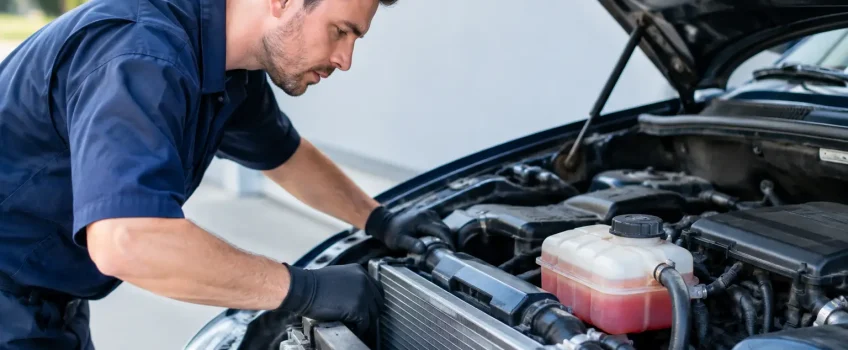
Radiator Repair Epping NSW for Overheating
A temperature gauge climbing past its normal position on the way to work is not a warning to ignore until the weekend. If you need radiator repair Epping NSW, acting early can be the difference between a straightforward cooling-system repair and serious engine damage. Your radiator works hard in Sydney traffic, on warm days and during stop-start school or commuter runs. When it cannot control engine temperature, your vehicle can overheat quickly.
At Epping Auto Service, we know most drivers want a clear answer: is it safe to drive, what is wrong and what needs to happen next? The right repair depends on the source of the fault. A radiator is one part of a larger cooling system, so careful diagnosis matters before any replacement or repair is recommended.
What your radiator does for your engine
An engine produces considerable heat every time it runs. Coolant absorbs that heat as it circulates through the engine, then travels to the radiator. Air passing through the radiator helps release the heat before the coolant returns to do the job again.
The system relies on several components working together. The radiator, hoses, water pump, thermostat, cooling fan, coolant reservoir and pressure cap all have a role. A fault in any one of them can create symptoms that look like a failed radiator.
That is why topping up coolant without finding out why it is low is rarely a lasting fix. Coolant does not simply get used up under normal conditions. If the level keeps dropping, there is usually a leak, a pressure issue or an internal engine problem that needs attention.
Signs you may need radiator repair in Epping NSW
The temperature gauge is your first line of warning, but it is not the only sign. A sweet smell around the front of the car, steam from under the bonnet or a puddle of coloured fluid after parking can point to a coolant leak. Coolant may be green, red, blue, orange or another colour depending on the vehicle and product used, so do not rely on colour alone.
You may also notice the heater blowing cold air when the engine is hot, a cooling fan running loudly or frequently, or a low-coolant warning appearing on the dashboard. In some vehicles, the air conditioning may not perform as expected when the engine is under heat stress.
A radiator leak can begin as a small stain, a damp hose connection or corrosion around the radiator tank. Left alone, it can worsen under pressure. Older radiators can develop cracks in plastic end tanks, while stone damage, blocked passages and corrosion can affect metal sections. Newer vehicles can have tightly packaged engine bays, making a proper inspection even more valuable.
What to do if your car starts overheating
If the temperature gauge rises sharply or a temperature warning light comes on, pull over safely as soon as practical. Switch off the air conditioning, which places extra load on the engine. Turning the cabin heater on can sometimes help draw heat away temporarily while you find a safe place to stop, although it is not a repair.
Once parked, turn the engine off and allow it to cool completely. Do not remove the radiator cap or coolant reservoir cap while the engine is hot. The cooling system is pressurised, and hot coolant or steam can cause serious burns.
Avoid pouring cold water over a hot engine or radiator. Sudden temperature changes can damage components, and water alone is not a suitable long-term substitute for the correct coolant mixture. If there is heavy steam, a significant leak or the warning returns after cooling down, arranging assistance is safer than trying to continue your trip.
Driving an overheating vehicle can warp the cylinder head, damage head gaskets and create expensive engine repairs. A short delay to organise an inspection is usually far less costly than pushing on and hoping the issue settles.
Common radiator and cooling-system faults
A visible leak is only one possible cause. A workshop diagnosis may identify a split hose, loose clamp, leaking radiator, worn cap, faulty thermostat, failed water pump or cooling fan issue. Electrical faults can also stop an electric fan from operating at the right time, especially when the car is sitting in traffic rather than moving at road speed.
Blocked radiator cores are another concern. Over time, old coolant, contamination or internal corrosion can restrict flow and reduce the radiator’s ability to shed heat. External blockage can also occur when leaves, dirt or debris build up between the radiator and air-conditioning condenser.
Sometimes the radiator itself is in good condition, but combustion gases are entering the cooling system due to an internal engine fault. This is why a trustworthy repair process does not assume the most obvious component is always the answer. Testing the system under pressure, inspecting coolant condition and checking fan operation provide a more reliable starting point.
How a professional radiator repair assessment works
A good cooling-system inspection begins with the symptoms you have noticed. Details such as whether the car overheats only in traffic, loses coolant overnight or runs hot while towing can help narrow down the cause.
The mechanic can then inspect for external leaks, check hose and radiator condition, assess coolant level and strength, and look for evidence of corrosion or contamination. A pressure test can reveal leaks that are not obvious when the engine is cold. Fan operation, thermostat performance and fault codes may also need checking, depending on the vehicle.
From there, the repair may be as simple as replacing a hose or cap, repairing a minor leak where appropriate, or replacing a radiator that is cracked, heavily corroded or blocked. In other cases, related parts should be replaced at the same time because access is already available or because a worn component could shorten the life of the new radiator.
There is a practical trade-off here. Repairing a small, isolated issue can be economical, but repeatedly patching an ageing radiator may not offer the reliability required for daily family travel or fleet work. Your vehicle’s age, condition, repair history and how heavily it is used all matter.
Choosing the right coolant matters
Modern cooling systems are designed for specific coolant types and mixtures. Mixing incompatible products can reduce corrosion protection and may form deposits that restrict flow. Plain water can also promote corrosion and does not provide the same boiling and freezing protection as the correct coolant.
When cooling-system work is carried out, the system may need to be drained, flushed and refilled with the appropriate coolant for the vehicle. This is particularly important after contamination, rust or component failure. Correct bleeding is also essential because trapped air can cause poor heater performance, temperature fluctuations and repeat overheating.
For drivers who keep their vehicle for the long term, including cooling-system checks as part of regular servicing is sensible preventative care. It gives small leaks, ageing hoses and weak coolant condition a better chance of being found before they leave you stranded.
Why quick action protects more than the radiator
Your radiator does not work in isolation. An overheating event can affect engine oil, seals, hoses, sensors and electrical connections. It can also interrupt a busy week, whether you are travelling to the office, collecting the kids, running a business or relying on a ute or van for work.
If your vehicle has recently had body damage at the front, it is also wise to have the cooling system checked. A seemingly minor impact can damage radiator supports, fans, hoses or the radiator itself. Combining mechanical and smash repair expertise can make that process more straightforward.
A cooling problem does not always mean the worst, but it always deserves a prompt and measured response. Book an inspection when the first signs appear, follow the advice you are given and give your engine the care it needs to keep carrying your family or business safely down the road.